
In a world where climate change and water scarcity increasingly stand in the way of sustainable development, building resilient and sustainable dams has become particularly important. If you are also interested in knowing how to build dams that are resistant to earthquakes, floods, and climate change, this comprehensive guide is for you.
Why is it important to build sustainable dams?
Currently, water crisis is one of the main challenges in many parts of the world, especially in Iran. Sustainable dams not only play a fundamental role in providing water, electricity, and flood control, but they must also be designed in a way that they do not deteriorate over time and have the least negative impact on the environment.
Steps to build sustainable dams
1. Location analysis and evaluation
Choosing the right location is based on a detailed study of geology, hydrology, and climatic conditions.

2. Robust and innovative design
Using modern technologies and global standards, the design must be resistant to earthquakes, floods, and erosion.
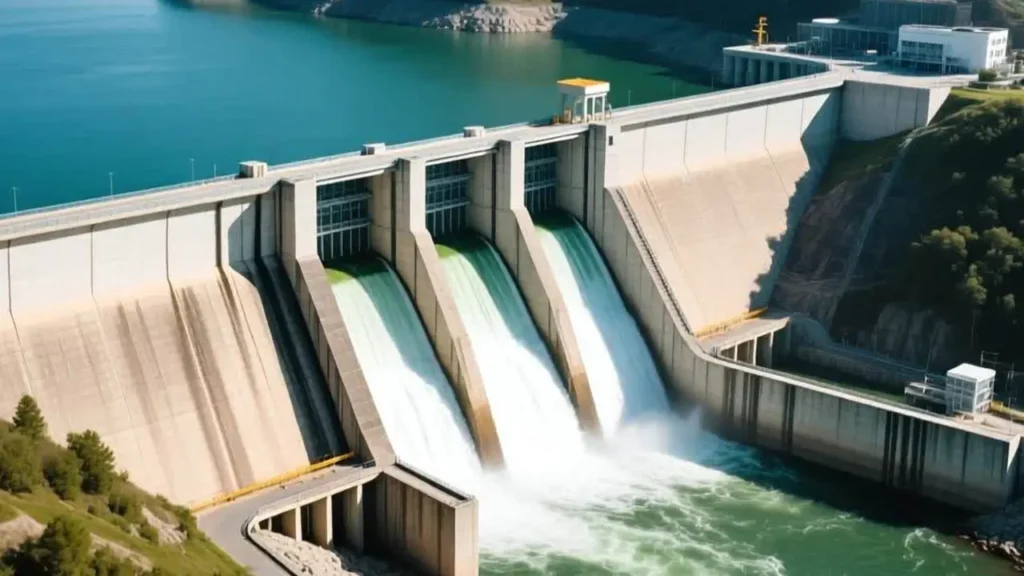
3. Use of up-to-date materials and technologies
Selecting resistant materials and using modern technologies such as self-healing concrete, green materials, and groundwater management

4. Continuous monitoring, control and maintenance
During construction and operation, install advanced monitoring systems so that any damage and signs of erosion can be quickly identified and fixed.

By adhering to techniques, standards, and utilizing modern technologies, we can build sustainable dams that are resilient to natural crises and economically and environmentally viable. A better and safer future awaits us if we work together to build resilient and sustainable dams.

Are you ready to take the first step in building resilient dams? Contact us for a consultation and start your projects with our expert team!


